Ursa Major Supercluster Explore the Universe, One Discovery at a Time

Ursa Major Supercluster

Explore the Universe, One Discovery at a Time

Latest Articles

Seven Thousand Years of Sky: How the Big Dipper Ran the Ancient World
Stargazing

Seven Thousand Years of Sky: How the Big Dipper Ran the Ancient World

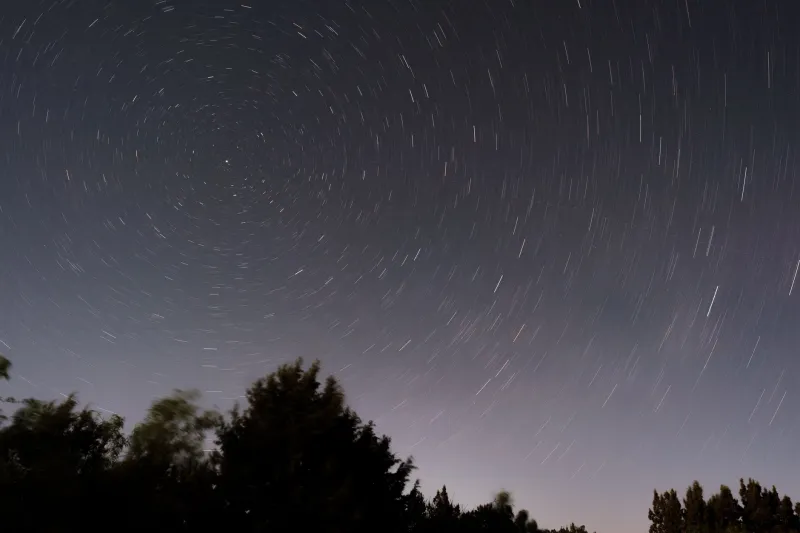
Before alarm clocks, calendars, or GPS, civilizations across the globe looked up at the same seven stars and read them like a watch. The Big Dipper's slow spin around Polaris told farmers when to plant, priests when to pray, and generals when to march — and tonight, you can read that same clock yourself.

What the Big Dipper's Backyard Taught Us About How Galaxies Are Born
Deep Space Science

What the Big Dipper's Backyard Taught Us About How Galaxies Are Born

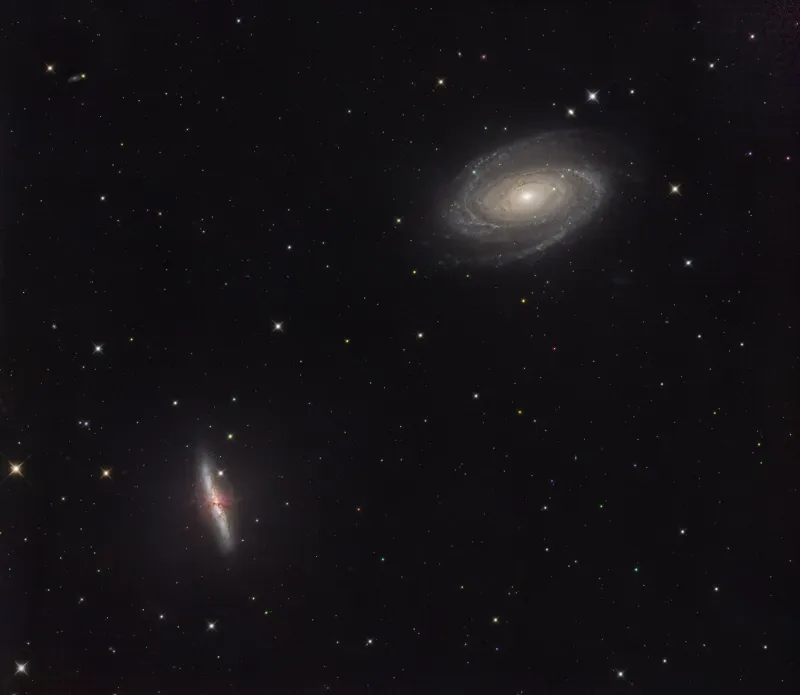
Behind the familiar stars of Ursa Major lies one of astronomy's most productive laboratories — a dense gathering of galaxies that has been quietly rewriting the textbook on how the universe builds itself. From early photographic plates to the James Webb Space Telescope, here's how one patch of sky changed everything we thought we knew about cosmic evolution.

Always Up There: The Science Behind Why Ursa Major Never Disappears From American Skies
Stargazing

Always Up There: The Science Behind Why Ursa Major Never Disappears From American Skies

Most constellations play hide-and-seek with the seasons, vanishing below the horizon for months at a time. Ursa Major doesn't play that game. Here's the surprisingly simple science that keeps this iconic bear permanently parked above the heads of most Americans, every single night of the year.

Space Itself Is Sprinting Away From Us — And Einstein Doesn't Mind One Bit
Cosmology

Space Itself Is Sprinting Away From Us — And Einstein Doesn't Mind One Bit

Right now, thousands of galaxies are racing away from us faster than light — and no laws of physics are being broken. The trick is understanding what's actually doing the moving. It's not the galaxies. It's the space between us and them.

Light Is the Fastest Thing Alive — and It Still Can't Cross Our Neighborhood Quickly
Cosmology

Light Is the Fastest Thing Alive — and It Still Can't Cross Our Neighborhood Quickly

Light moves at nearly 186,000 miles per second, and somehow that's still not fast enough to make the universe feel small. Walk with us through the true travel times of a photon — from your backyard to the edge of the Ursa Major Supercluster — and prepare to feel genuinely, wonderfully tiny.

Seven Stars, One Nation: The Big Dipper's Quiet Role in America's Most Defining Moments
Stargazing

Seven Stars, One Nation: The Big Dipper's Quiet Role in America's Most Defining Moments

From freedom-seeking enslaved people following its arc northward to Apollo astronauts using circumpolar stars to sharpen their celestial instincts, the Big Dipper has been woven into the American story in ways most of us never learned in school. It's not just a constellation — it's a witness. Here's what those seven stars have seen.

Two Bears, Ten Thousand Centuries: The Astonishing Human Story Written in Ursa Major and Ursa Minor
Stargazing

Two Bears, Ten Thousand Centuries: The Astonishing Human Story Written in Ursa Major and Ursa Minor

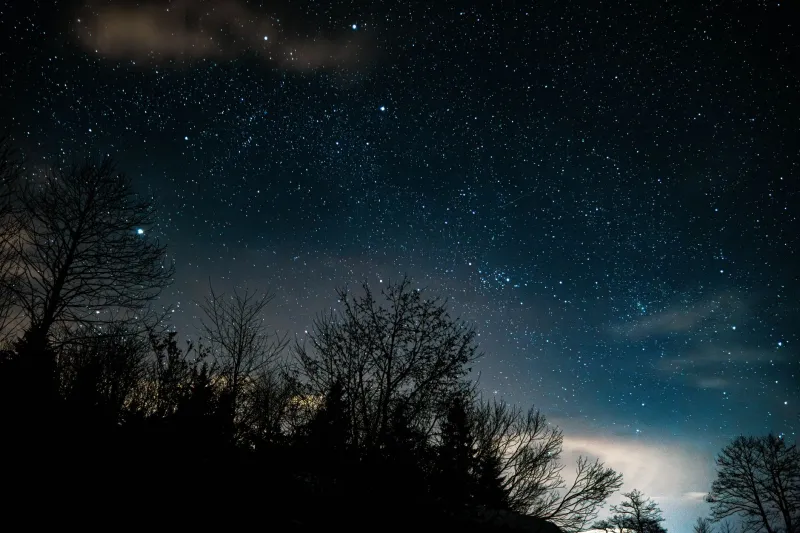
Long before GPS, before compasses, before written maps, humans looked up and found their way by two bears wheeling overhead. The story of Ursa Major and Ursa Minor stretches back further than civilization itself — and tonight, you can see the same stars your ancestors did.

Your Couch, Your Telescope: How Regular Americans Are Making Real Cosmic Discoveries
Deep Space Science

Your Couch, Your Telescope: How Regular Americans Are Making Real Cosmic Discoveries

You don't need a PhD or a million-dollar observatory to contribute to humanity's understanding of the universe. Citizen science programs from NASA and beyond are turning curious Americans into legitimate contributors to cosmic discovery — and some of the findings have been genuinely jaw-dropping.

No Telescope? No Problem. Your First Night Under the Stars Starts Right Now
Stargazing

No Telescope? No Problem. Your First Night Under the Stars Starts Right Now

You don't need expensive gear or a physics degree to start exploring the night sky. This practical guide walks total beginners through everything from free apps to finding dark skies near you — because the universe is waiting, and tonight is a perfectly good time to look up.

You Live Here: A Guide to Your Cosmic Home in the Ursa Major Supercluster
Cosmology

You Live Here: A Guide to Your Cosmic Home in the Ursa Major Supercluster

You know your zip code, but do you know your supercluster? Tucked inside one of the largest cosmic structures ever charted, every one of us is a resident of the Ursa Major Supercluster — whether we realize it or not. Here's what that actually means, and why it should blow your mind.

Circle These Dates: 7 Astronomical Events in 2025 That Are Worth Losing Sleep Over
Stargazing

Circle These Dates: 7 Astronomical Events in 2025 That Are Worth Losing Sleep Over

2025 is shaping up to be a genuinely spectacular year for anyone willing to step outside after dark. From dazzling meteor showers to rare planetary conjunctions, the night sky has a packed schedule — and you don't need a PhD or an expensive telescope to enjoy most of it.

The Universe's Biggest Secret: Why Not Knowing About Dark Matter Is the Most Exciting Thing in Science
Deep Space Science

The Universe's Biggest Secret: Why Not Knowing About Dark Matter Is the Most Exciting Thing in Science

Scientists are pretty sure dark matter makes up more than a quarter of the entire universe — and they have almost no idea what it actually is. Far from being a failure, this yawning gap in our knowledge might be the most thrilling frontier in modern physics. Here's why the mystery itself is worth celebrating.