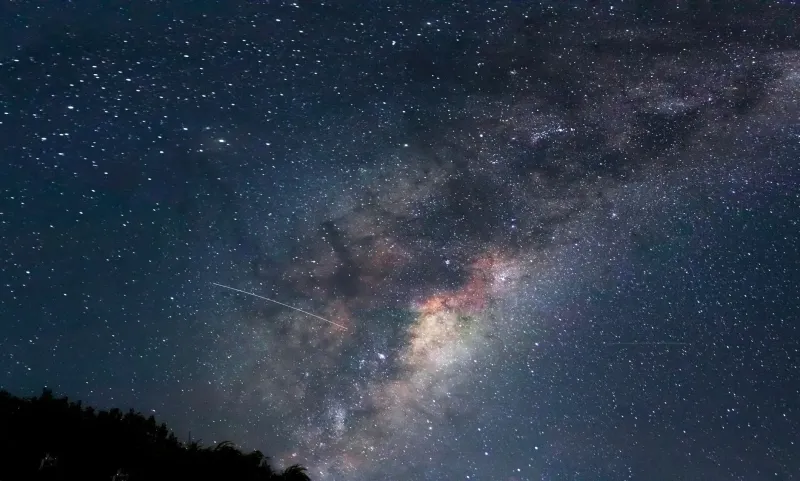
You Live Here: A Guide to Your Cosmic Home in the Ursa Major Supercluster
Pull out any piece of mail sitting on your kitchen counter. You'll see a name, a street, a city, a state, a zip code. That's your address — the set of nested locations that tells the world exactly where to find you. But here's a question that rarely makes it onto an envelope: what's your cosmic address?
It turns out the universe has its own version of a postal hierarchy, and most of us have never heard of the neighborhood we actually live in. Welcome to the Ursa Major Supercluster — your home on the grandest scale imaginable.
Nesting Dolls, All the Way Up
To understand a supercluster, it helps to think about scale in layers, like a set of Russian nesting dolls.
You live on Earth. Earth orbits the Sun, one of roughly 300 billion stars in the Milky Way galaxy. The Milky Way, in turn, belongs to a small collection of galaxies called the Local Group — about 50 or so gravitationally bound companions, including our nearest large neighbor, the Andromeda Galaxy. Zoom out further, and the Local Group is just one small piece of the Virgo Cluster, a gravitational hub containing thousands of galaxies.
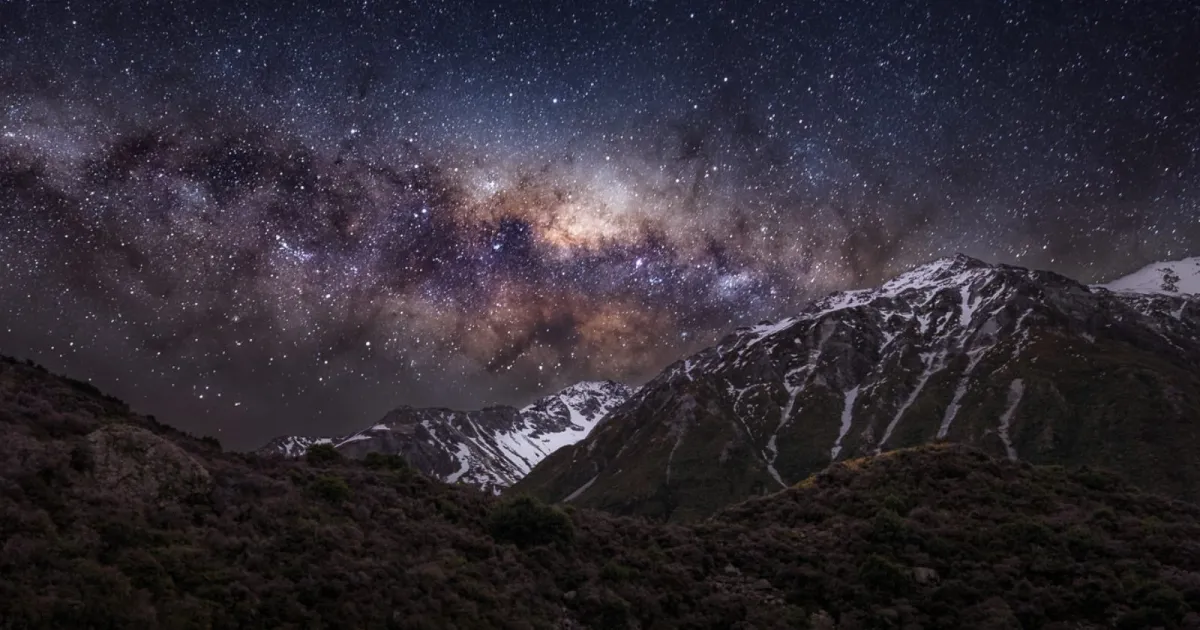 Photo: Milky Way, via petapixel.com
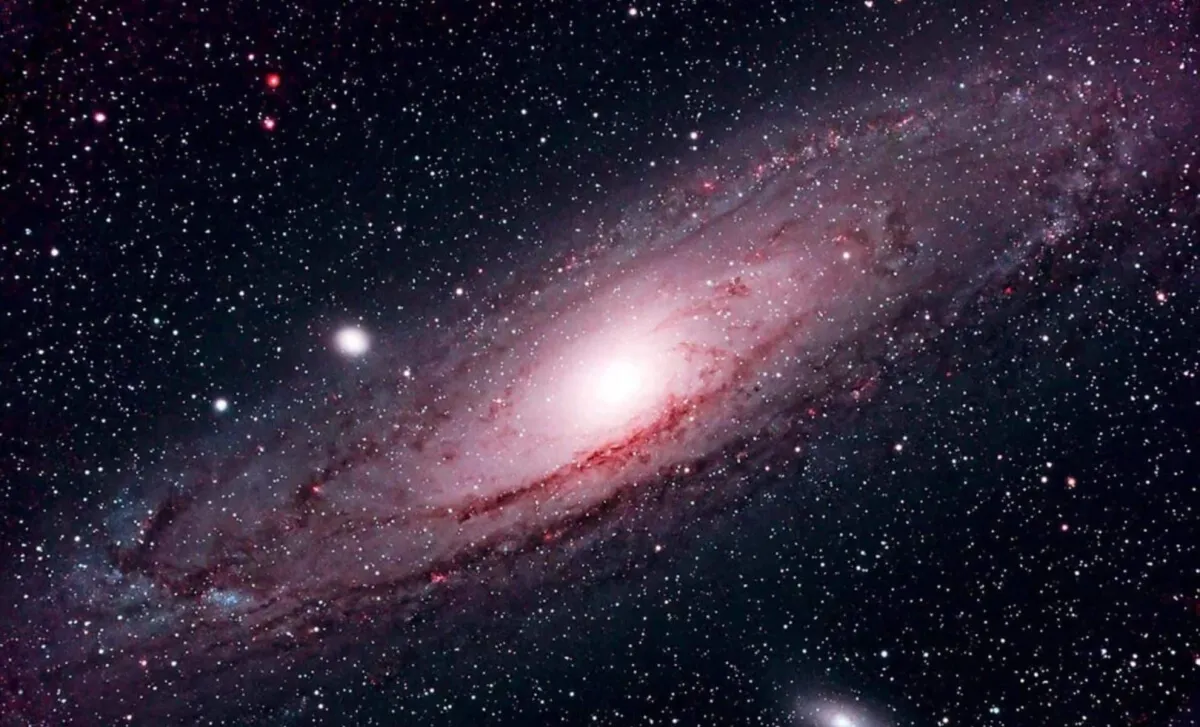 Photo: Andromeda Galaxy, via indiandefencereview.com
Now keep going. The Virgo Cluster itself sits within the Virgo Supercluster, also called Laniakea — a massive structure stretching roughly 500 million light-years across. And Laniakea? It's a component of something even larger: the Ursa Major Supercluster, one of the most expansive cosmic structures astronomers have ever mapped.
That's your full cosmic address. And it's a lot to take in before your morning coffee.
What Exactly Is a Supercluster?
A supercluster isn't a single object in the way a star or a planet is. Think of it less like a building and more like a metropolitan region — a vast, loosely connected web of galaxy clusters and filaments that share a general neighborhood in space.
Gravity is the architect here. On smaller scales, it pulls stars into galaxies and galaxies into clusters. But on the scale of superclusters, we're talking about structures so enormous that even gravity struggles to hold them together as a single unit. The universe's accelerating expansion — driven by the mysterious force astronomers call dark energy — is actively pulling these structures apart, even as gravity tries to keep them cohesive.
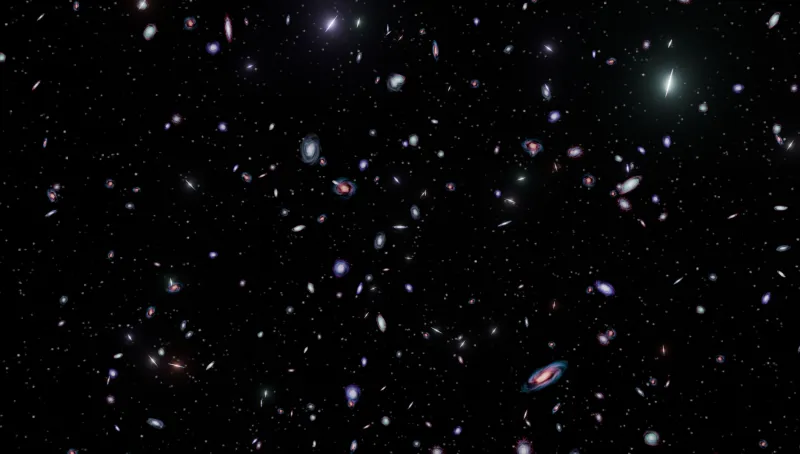
The Ursa Major Supercluster spans an estimated 300 million light-years. To put that in perspective: if the Milky Way were the size of a quarter, the Ursa Major Supercluster would be roughly the size of the entire continental United States. Every star you've ever seen in the night sky, every galaxy ever photographed by the Hubble Space Telescope, fits inside a structure that is itself just one piece of this cosmic web.
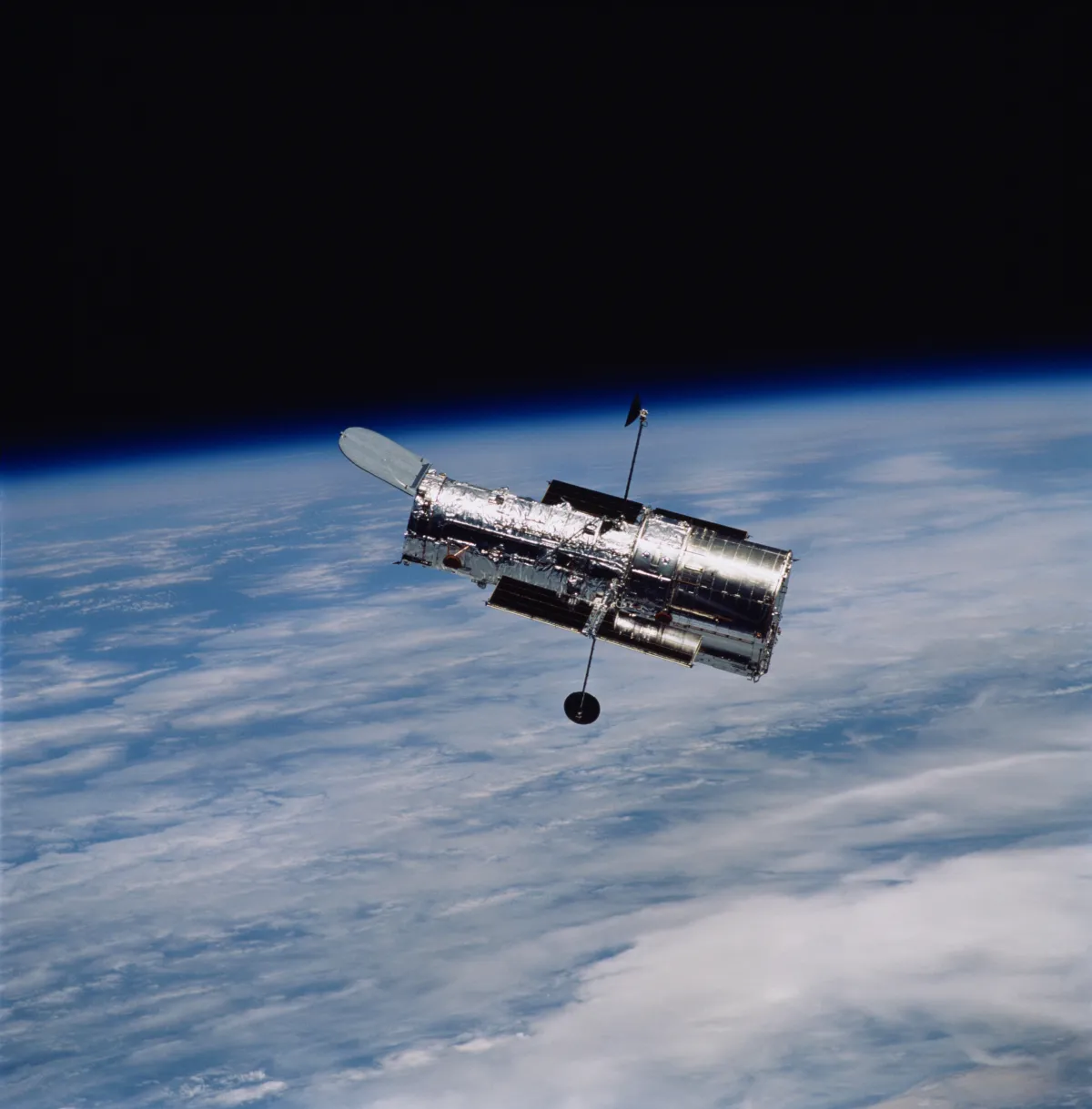 Photo: Hubble Space Telescope, via science.nasa.gov
How Astronomers Found Our Address
Mapping superclusters isn't like drawing a map of your neighborhood. You can't drive around and sketch the layout. Instead, astronomers piece together cosmic geography using redshift surveys — measurements of how much the light from distant galaxies has stretched as it traveled toward us.
The further a galaxy is, the faster it's moving away from us due to the universe's expansion, and the more its light shifts toward the red end of the spectrum. By cataloging the redshifts of hundreds of thousands of galaxies, astronomers can build three-dimensional maps of where matter clumps together — and where it doesn't.
Those maps revealed something stunning: galaxies aren't scattered randomly through space. They're arranged in a vast cosmic web of filaments, sheets, and voids. Superclusters trace the densest nodes of that web, like cities along a highway system that stretches across the entire observable universe.
The identification of the Ursa Major Supercluster as a distinct structure came through decades of painstaking survey work, with major contributions from projects like the Sloan Digital Sky Survey (SDSS), which has mapped millions of galaxies and transformed our understanding of large-scale structure.
Why Any of This Matters
Okay, so we live in a supercluster. So what? It's not like you can see it from your backyard or book a flight there.
Fair point. But understanding the large-scale structure of the universe isn't just an abstract exercise. The way matter is distributed across cosmic scales tells us something profound about the conditions right after the Big Bang. Those earliest moments — fractions of a second after the universe began — left tiny fluctuations in the density of matter. Gravity amplified those fluctuations over billions of years, eventually sculpting the filaments, clusters, and superclusters we observe today.
In other words, the Ursa Major Supercluster is a fossil record of the universe's infancy. Studying its structure helps cosmologists test their models of how the universe evolved, how dark matter shaped the cosmic web, and what the ultimate fate of large-scale structures might be as dark energy continues to drive galaxies apart.
A Sense of Place — and Scale
There's something quietly humbling about knowing your full cosmic address. You're not just an American living in a particular city or state. You're a resident of a planet, orbiting a star, inside a galaxy, within a cluster, within a supercluster, within a universe that stretches at least 93 billion light-years across the observable horizon.
And yet — here you are, reading this, aware of all of it. That's not nothing. In fact, it might be the most extraordinary thing about being human: the ability to look up, do the math, and actually know where you are in the cosmos.
Next time someone asks for your address, feel free to give them the full version. It's quite the conversation starter.