We Treated Starlight Like It Was Free. It's Time to Pay It Back.
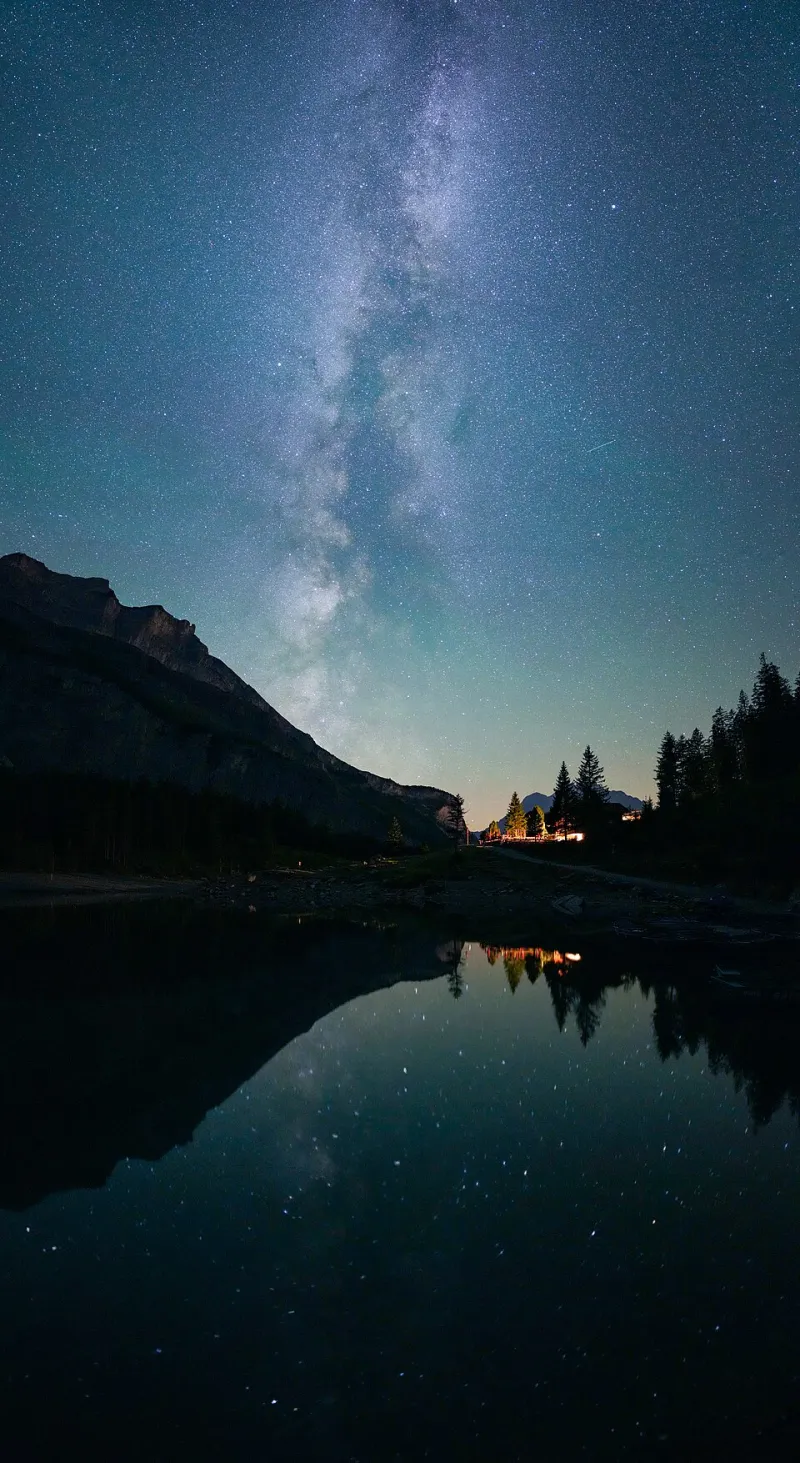
Photo: Giles Laurent, CC BY-SA 4.0, via Wikimedia Commons
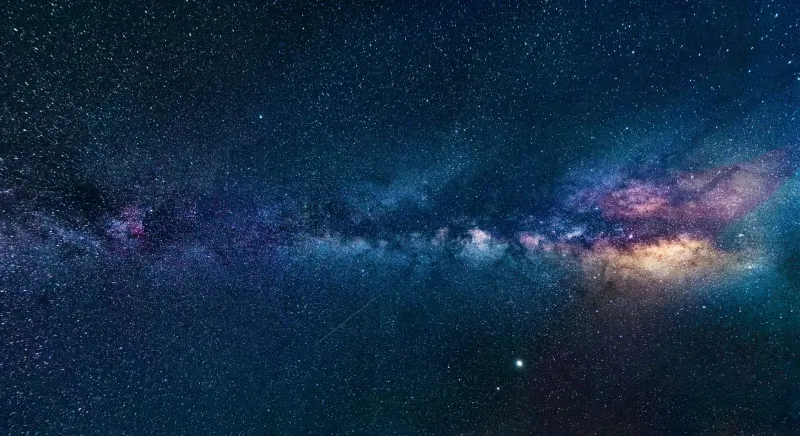
Here's a number that should bother you: roughly 80 percent of North Americans live under skies so washed out by artificial light that the Milky Way — the galaxy we live inside — is invisible to them. Not dimmed. Invisible. Entire generations are growing up never having seen the river of light their ancestors navigated by, told stories about, and built calendars around.
We tend to shrug at this, the way we once shrugged at smog. It's just the cost of modern life, right? I want to push back on that. Light pollution is the easiest environmental problem in America to fix, and we're not fixing it — mostly because nobody thinks of dark skies as something we own collectively.
The Resource Nobody Thought to Defend
We already accept that certain things belong to everyone and need protecting. Clean air. Quiet. Public lands. Nobody's proposing we privatize the atmosphere. But the night sky — arguably humanity's oldest shared experience — gets treated like an unlimited dumping ground for photons.
And make no mistake, we're dumping. Satellite measurements show that the artificially bright area of Earth's surface grows by a few percent every year, and the skyglow over cities brightens even faster. Unlike every other form of pollution, light doesn't linger. Flip a switch, and the damage is done for the night; fix the fixture, and the stars come back. That reversibility is the whole argument. This is winnable.
What All That Light Is Actually Costing Us
The costs aren't sentimental. They're biological and financial.
Wildlife pays first. Migrating birds navigate by stars and moonlight, and brightly lit cities disorient them by the millions — a single Chicago building can kill hundreds of songbirds in one night during migration. Sea turtle hatchlings on Florida beaches crawl toward hotel lights instead of the ocean. Insects, already in decline, exhaust themselves circling fixtures. Pollination, food webs, everything downstream.
We pay too. The American Medical Association has flagged excessive blue-rich nighttime lighting as a public health concern, linked to disrupted circadian rhythms and sleep. And here's the kicker: most of it is wasted light. The Department of Energy estimates that outdoor lighting that shines upward or sideways — doing nothing useful — costs Americans billions of dollars annually in electricity. We're paying to erase the stars. That's not a trade anyone would sign up for knowingly.
The Movement Already Exists
Here's the hopeful part: the counteroffensive is underway, and it's working.
Dark-sky reserves certified by the International Dark-Sky Association now dot the country — from Headlands in Michigan to natural bridges in Utah to entire communities in Arizona that rewrote their lighting codes. Local ordinances requiring full-cutoff fixtures, warm-colored bulbs, and lights-out hours during bird migration have passed in towns across the Midwest and Northeast. Flagstaff, Arizona, has protected its skies since the 1950s, back when dark-sky activism meant one town and one observatory.
These aren't anti-growth measures. They're anti-waste measures. A shielded light aimed at the ground does its job better than one spraying into the sky. Dark-sky compliant lighting is just... correct lighting.
What You Can Actually Do
This is the rare cause where individual action genuinely matters, because most light pollution is a sum of small decisions.
- Audit your own lighting. Every outdoor fixture you own: Does it need to be on? Does it need to be that bright? Does the light go down, not out and up? Motion sensors beat all-night floodlights.
- Choose warm bulbs. Amber light under 3000K is dramatically easier on wildlife and human sleep than blue-white LEDs.
- Show up locally. Light-pollution ordinances usually start with one resident at a planning board meeting. City councils respond to this issue faster than almost any other environmental ask, because the fix saves money.
- Go see the real thing. Visit a dark-sky site. Take someone who's never seen the Milky Way. You can't defend a resource people don't know they've lost.
The Sky Is the Oldest Public Square
For most of human history, the night sky was the one screen everyone shared. Farmers, sailors, enslaved people following the Drinking Gourd north, kids in every century — everyone looked up at the same stars. We've handed that inheritance over to billboard floodlights and dusk-to-dawn lamps, and we did it without ever being asked.
We can take it back. Not by going dark — by getting smart about light. Fix the fixture, keep the stars. It might be the only environmental battle where victory looks like a sky full of galaxies over an American small town.
Let's win it.