Skip the Toy Scope: What to Actually Buy Before Your First Night Under the Stars

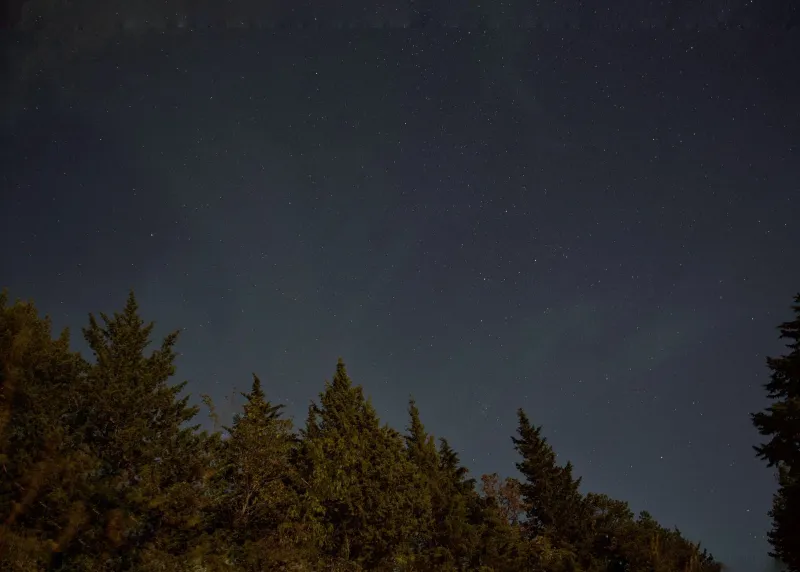
Photo: Jules Verne Times Two, CC BY-SA 4.0, via Wikimedia Commons
Every spring, the same thing happens. An eclipse makes headlines, the aurora dips down to Iowa, and suddenly telescopes are flying off the shelves at Costco and Walmart. By August, Facebook Marketplace is littered with barely-used scopes listed by people who 'just couldn't see anything.'
It's not their fault. Nobody told them the truth about small telescopes.
The Department Store Trap
That $99 telescope with the picture of Saturn on the box? It's mostly marketing. The magnification number printed on the side — 675x! — is a lie in the practical sense. Earth's atmosphere limits useful magnification to roughly 50x per inch of lens diameter, and a cheap 2.4-inch scope tops out around 120x on the best nights.
Worse, those scopes ride on mounts that shake the instant you touch the focuser. You nudge the tube to find Saturn, the image wobbles for ten seconds, you nudge again, and now Saturn's gone. Add narrow eyepieces that make finding anything feel like looking through a soda straw, and you've got a hobby-killer disguised as a gift.
Why Binoculars Win Round One
Here's the advice veteran stargazers give quietly, and it works: start with a decent pair of binoculars. A 7x50 or 10x50 pair — the kind you can grab for $40 to $100 — shows you more than that department-store scope ever will.
Why? Because binoculars work the way your eyes already do. You point, you look, you see. No mount to fight, no upside-down image to puzzle over. Sweep them across the Milky Way on a dark night and you'll bump into star clusters, the Andromeda Galaxy, even Jupiter's moons. The Pleiades through binoculars is one of the best views in the entire sky.
And you'll actually use them again — for birds, ballgames, road trips. Try that with a tabletop telescope.
If You Must Buy a Scope, Buy This One
For the stubborn (we respect it), the sweet spot is a 6- to 8-inch Dobsonian. It's a simple tube on a lazy-susan base, no electronics, no fuss. Around $350 to $500 new, and it gathers enough light to pull in Saturn's rings, the Orion Nebula, and dozens of galaxies. The mount is rock-steady, and you'll spend your time looking instead of troubleshooting.
Skip anything advertised by magnification. Seriously. That word on the box is how you know the manufacturer doesn't stargaze.
Finding Dark Enough Sky Near You
Even great gear fails under city glow. The good news: most Americans live within a couple hours of genuinely dark sky — you just have to drive away from the light dome.
Use a light pollution map (search for a dark sky finder or the Light Pollution Atlas) and look for the orange, gray, and black zones. A few field-tested escapes:
- Phoenix and Denver: The high desert and mountain roads north and west go properly dark fast.
- Chicago and the coasts: State parks two hours out still show the Milky Way on clear summer nights.
- Texas metros: Hill Country west of Austin and San Antonio is a recognized dark-sky haven.
- East Coast folks: Expect a longer drive — but Pennsylvania and West Virginia hold some surprisingly inky pockets.
Pro tips that matter more than any purchase: go near a new moon, let your eyes adapt for a solid 20 minutes (no phone screens — use red light), and pick a night with a clear forecast, not just a clear day.
The Real First Upgrade
Honestly? The best first telescope is a friend who already owns one. Nearly every metro area has an astronomy club, and most hold free public star parties where you can look through everything from binoculars to 20-inch monsters before spending a dime. Try before you buy, learn the sky with your naked eyes first, and let the gear come second.
The universe isn't hiding. You just need darker skies, steadier hands, and a little less hype on the box.